
Blog
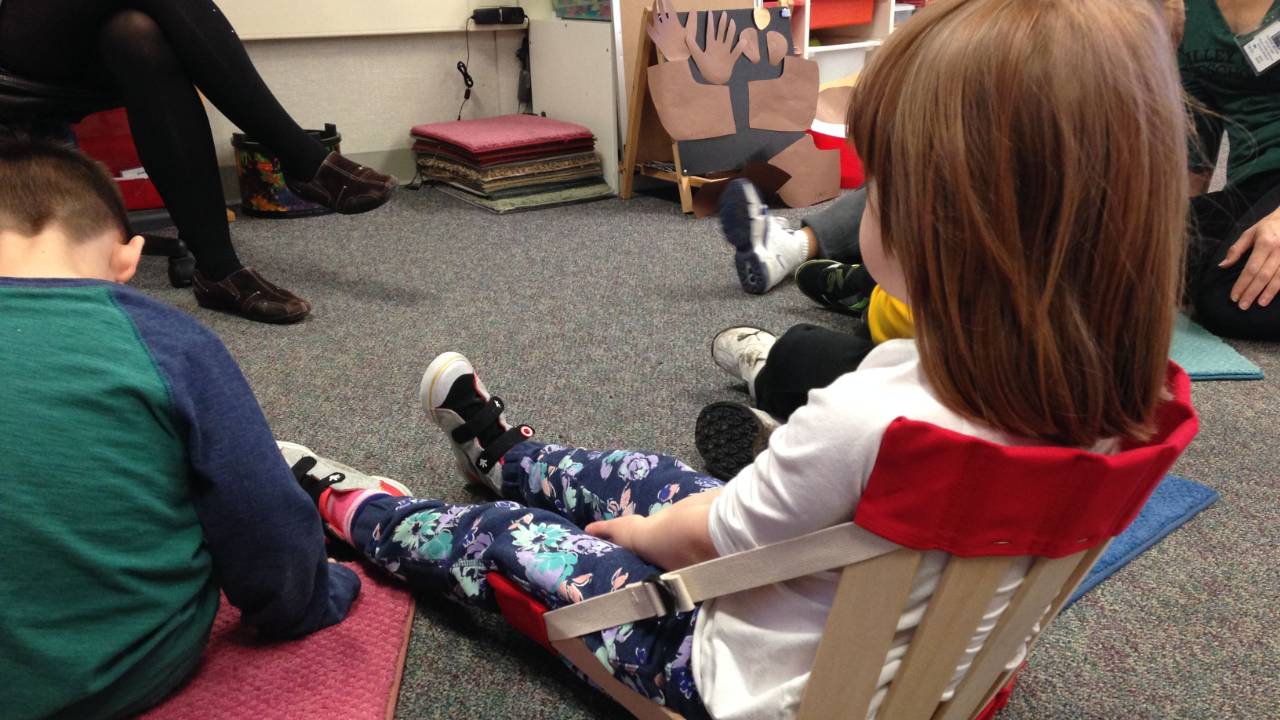
When a child has difficulty participating, adults often begin adding individual supports. A special chair appears. A sensory tool is handed to one child. A child is directed to a calm-down area while everyone else remains with the group. These strategies may sometimes be helpful, but they can also d...
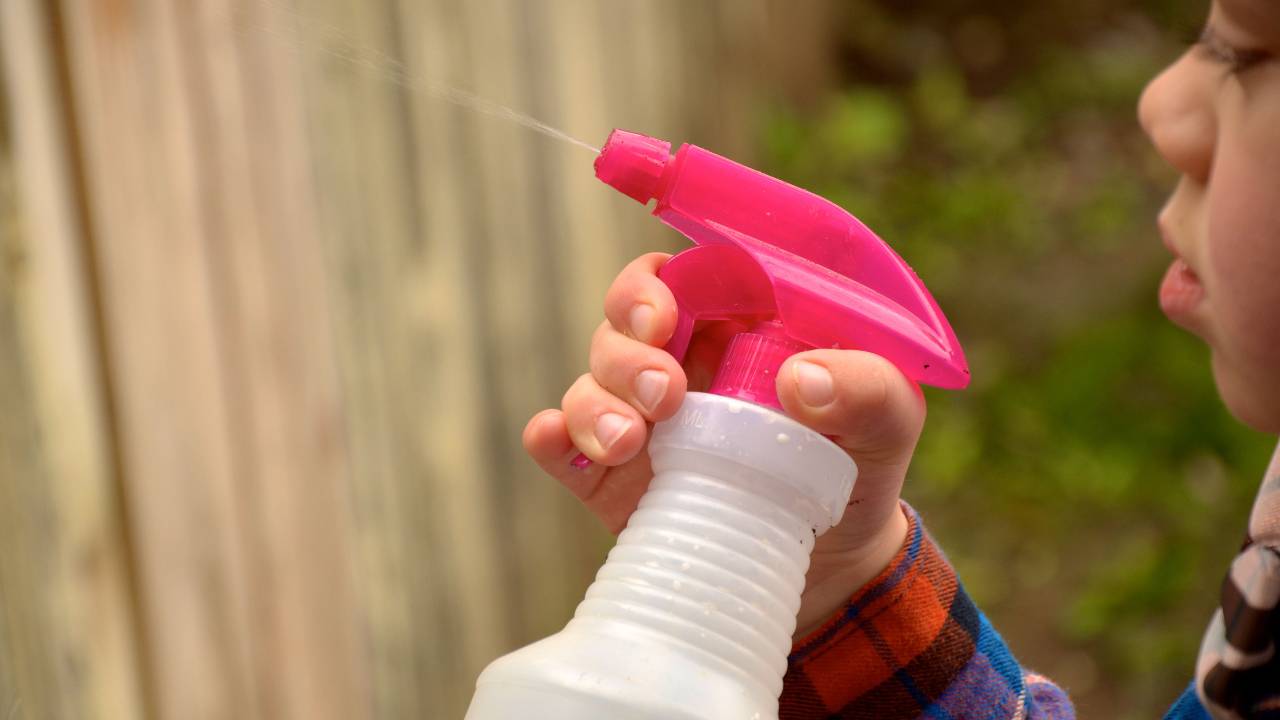
Classroom jobs are often used to build responsibility and help children feel like an important part of the group. They can also be a simple and powerful way to support fine motor development, body strength, coordination, and independence. When children carry a basket, pass out materials, wipe a tabl...
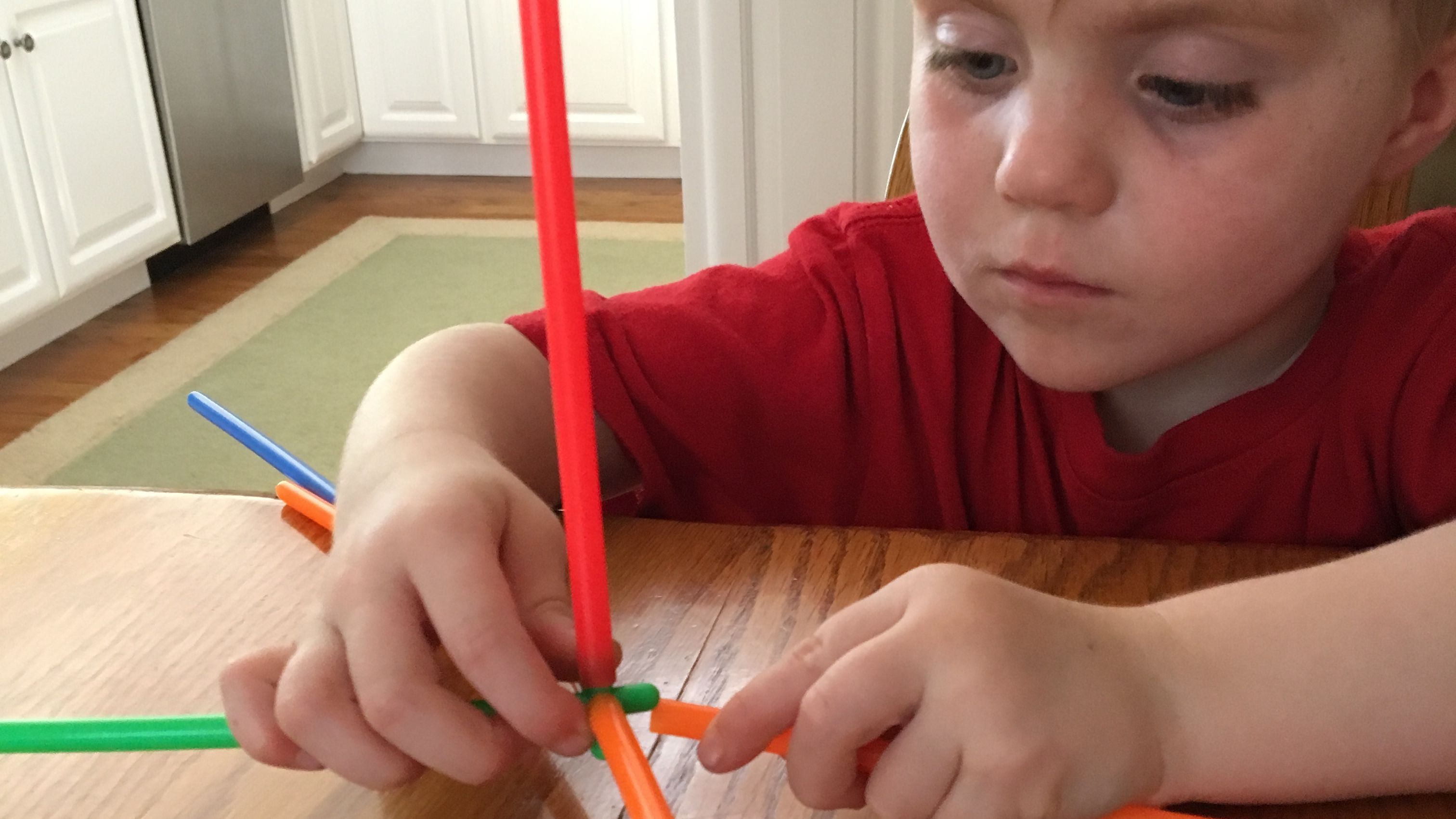
When adults think about fine motor skills, they often think about pencil grasp, coloring, cutting, or writing a child’s name. These are important skills, but they are not the beginning of fine motor development. They are the result of many earlier skills working together.
Before a child can use a p...
Play has changed dramatically over the years. Many of today’s toys are brightly lit, battery-operated, or activated with the push of a button. While these toys can certainly be entertaining and engaging, they often require very little physical manipulation from children. As technology continues to s...
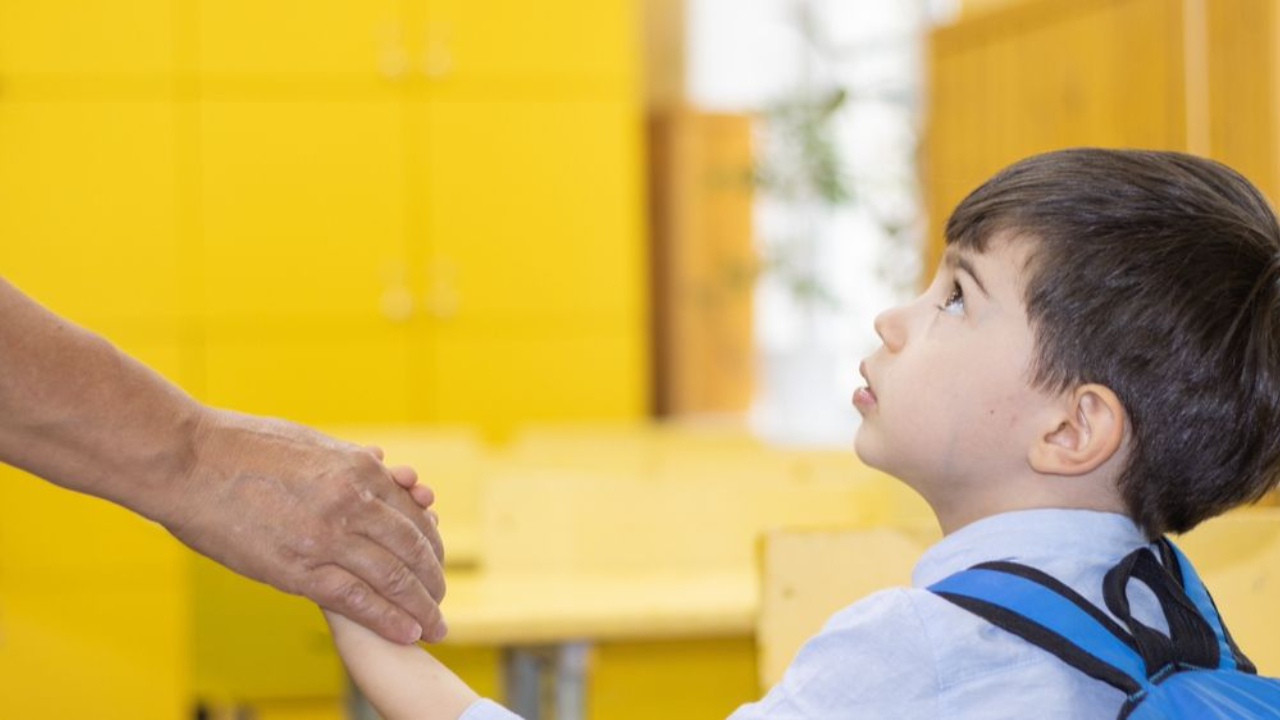
From an occupational therapy perspective, behavior is often one of the clearest windows into how a child is processing and responding to their environment.
In early childhood settings, it can be easy to focus first on compliance:
Sit down.
Come to circle.
Clean up.
Follow directions.
But many young ch...
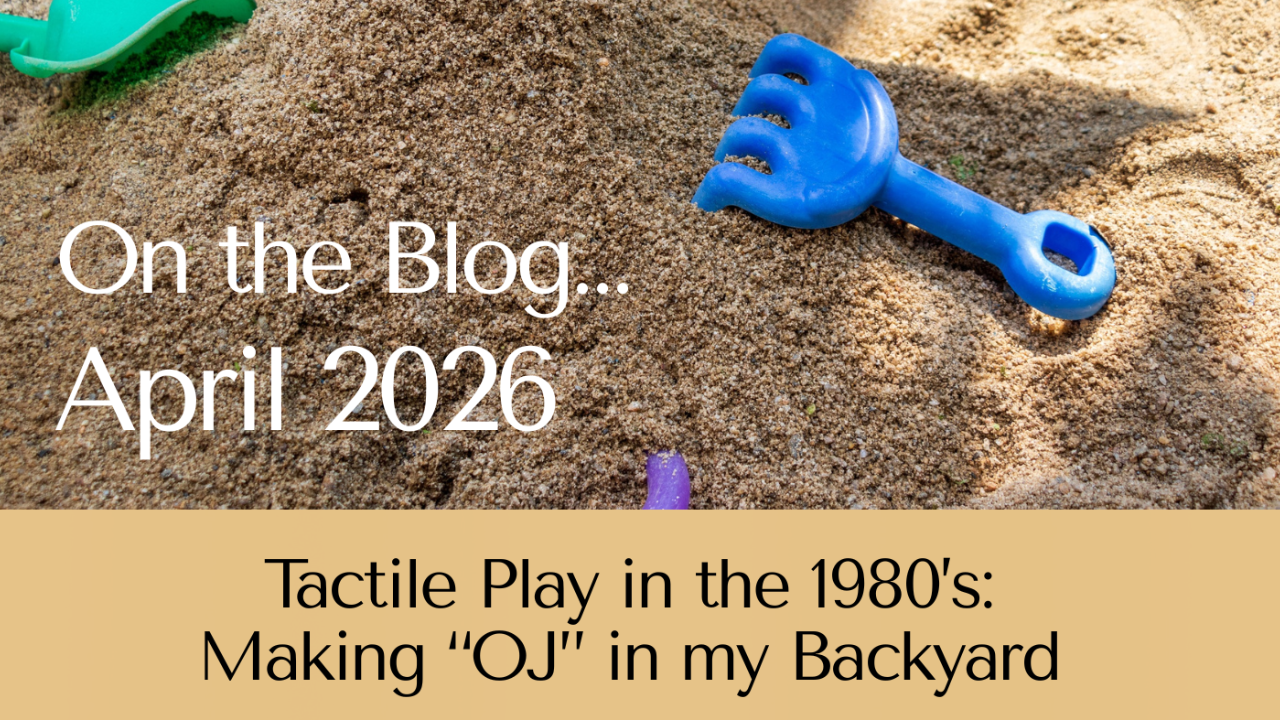
Summertime in my childhood backyard included a daily gathering of my siblings and next-door neighbors, barefoot, with time to be bored. When I was young, my father built a HUGE sandbox in our yard that was shaded by an enormous eucalyptus tree. (That tree was even home to a treehouse big enough to s...
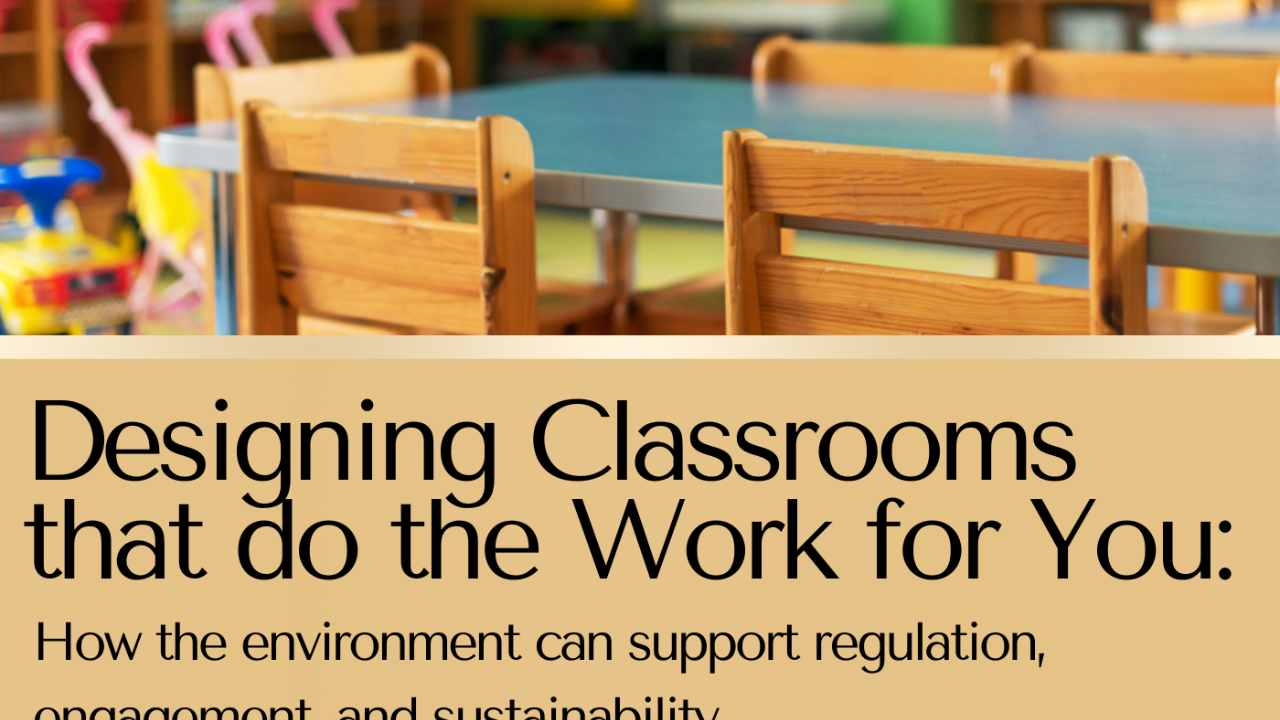
How the Environment Can Support Regulation, Engagement, and Sustainability
In early childhood classrooms, the environment is more than a backdrop for learning. It actively shapes how children and adults feel, move, and interact throughout the day. Layout, noise level, visual input, and flow all pla...
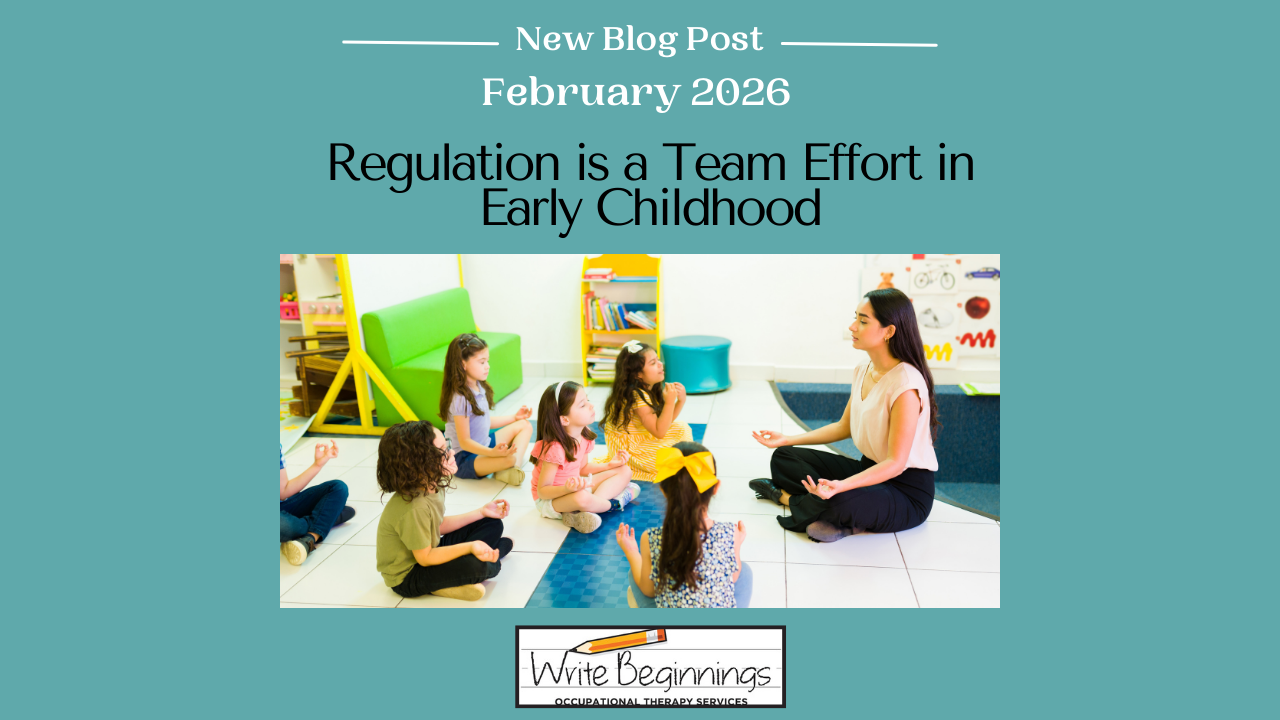
In early childhood education, regulation is often framed as a skill children must learn. While this is true, regulation is also deeply relational. Children borrow calm from the adults around them, learning how to manage emotions and challenges through everyday interactions. When educators are suppor...
Meet The Author

