
Regulation is a Team Effort in Early Childhood
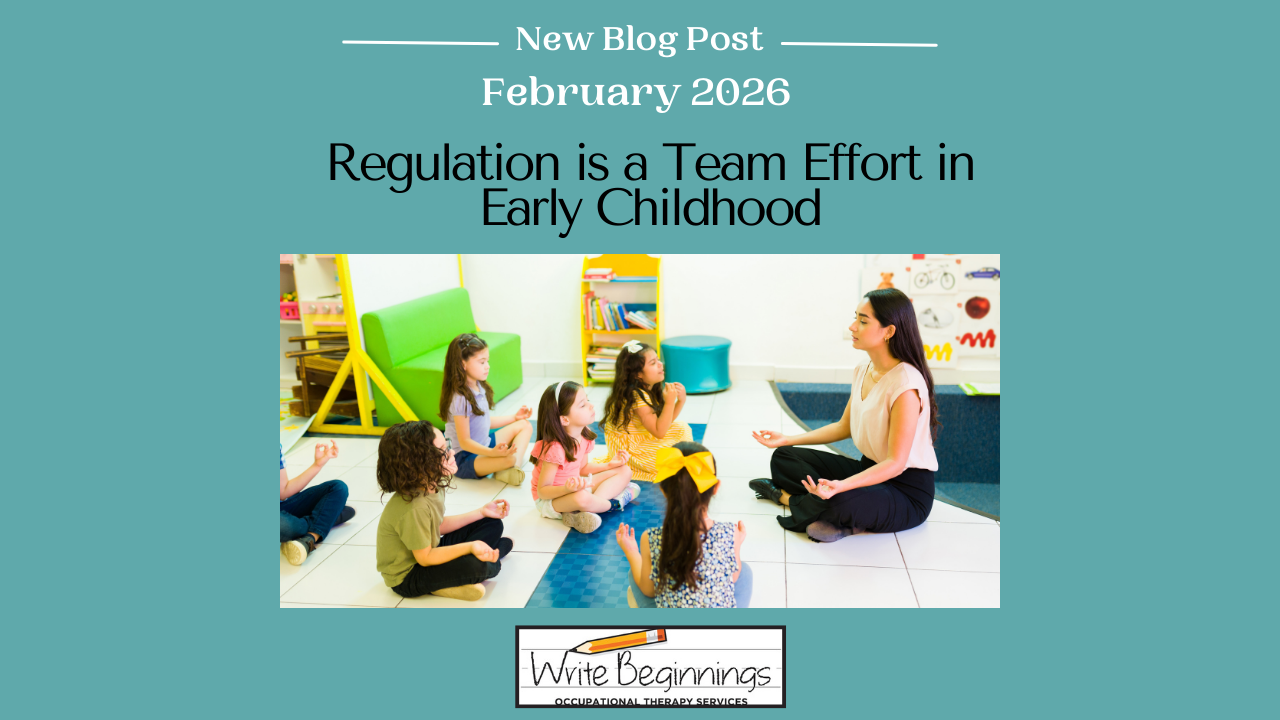
Feb 10, 2026In early childhood education, regulation is often framed as a skill children must learn. While this is true, regulation is also deeply relational. Children borrow calm from the adults around them, learning how to manage emotions and challenges through everyday interactions. When educators are supported and regulated, they are better able to create environments where children feel safe enough to learn.
Teaching (and simply functioning!) day to day in a learning space full of young children places ongoing demands on the nervous system. Noise, movement, emotional responsiveness, and constant decision-making can lead to fatigue over time for adults. Without adequate support, even experienced teachers may struggle to stay regulated, not because they lack skill, but because the environment is overwhelming.
We need to remember that regulation flourishes in environments where adults feel valued, supported, and connected. When educators are able to stay regulated, children benefit from calmer classrooms, stronger relationships, and more meaningful learning experiences. For some children, school may be one of the most consistent and regulating spaces they experience, which makes the relationships and routines created there especially important. By first supporting the adults who care for children each day, we help ensure that classrooms remain steady, responsive places where all children can feel safe and supported.
Just like flight attendants reminds us to put on our own oxygen mask before helping a child, supporting the adults in a classroom helps ensure they have the capacity to support the children who rely on them. With this perspective in mind, for both teachers and parents, regulation in early childhood truly becomes a team effort.
Join the Community!
Receive tips, resources, and activities to support the young children in your life!
Author

