
The Hidden Skills Children Practice During Everyday Classroom Jobs
Aug 11, 2026Classroom jobs are often used to build responsibility and help children feel like an important part of the group. They can also be a simple and powerful way to support fine motor development, body strength, coordination, and independence. When children carry a basket, pass out materials, wipe a table, or open a container, they are practicing many of the same foundational skills they need for classroom participation. The best part is that these activities are already part of the day, so teachers do not need to create a separate fine motor lesson or purchase special materials.
Many classroom jobs provide the whole-body work that supports stronger hand use. Carrying a stack of books, pushing in chairs, pulling a wagon, or moving a bin of blocks gives children opportunities to use their shoulders, arms, hands, and core together. This type of pushing, pulling, lifting, and carrying helps build the stability children need before they can use their hands with greater control. A child who helps move the art supply baskets may be preparing their body for drawing, gluing, building, and manipulating small materials later in the day.
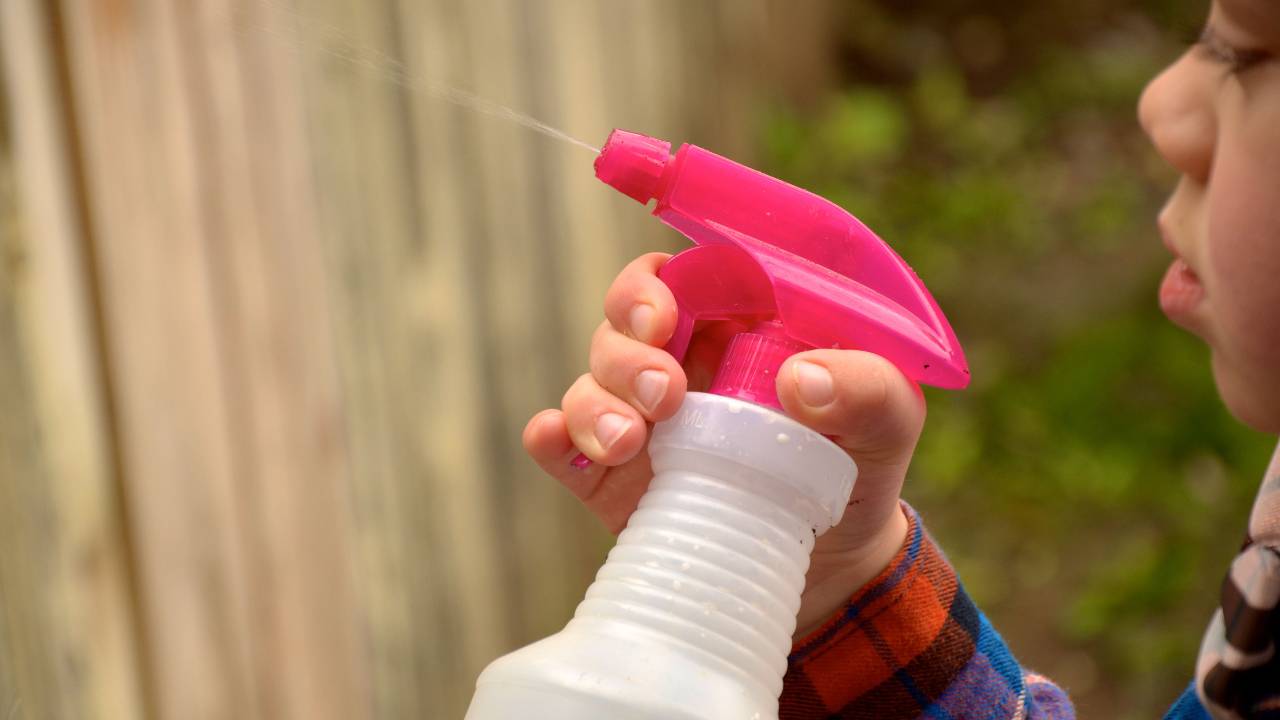
Other jobs naturally build coordination between the hands. Children can hold a spray bottle with one hand while wiping with the other, stabilize a snack bowl while scooping, match lids to containers, clip artwork to a drying line, or place name cards into classroom pockets. These activities encourage one hand to hold or stabilize while the other hand completes the action. That same pattern is used when children hold paper while drawing, manage clothing fasteners, open lunch containers, or use scissors.
Try adding a few new jobs that feel playful and purposeful. Invite a child to become the “tool checker” by matching markers with their caps, the “plant helper” by squeezing a small spray bottle, or the “delivery driver” by pushing a basket of books to another area of the room. Children can use tongs to collect scraps from the art table, peel tape from the floor after a project, twist washcloths over a sensory bin, sort loose parts into small containers, or use clothespins to attach signs to classroom shelves. These jobs provide meaningful practice with squeezing, pinching, turning, pulling, reaching, and coordinating both hands.
Classroom jobs do not need to be completed perfectly to be valuable. Give children enough time to try, offer help with the hardest step, and let them finish as much of the task as they can. A job that takes an adult only a few seconds may give a child an important opportunity to build strength, confidence, and independence. When we slow down and look closely, many of the most useful fine motor activities are already hiding inside the everyday work of the classroom.
Join the Community!
Receive tips, resources, and activities to support the young children in your life!
Author

