
Creating Regulation Supports That Do Not Single Children Out
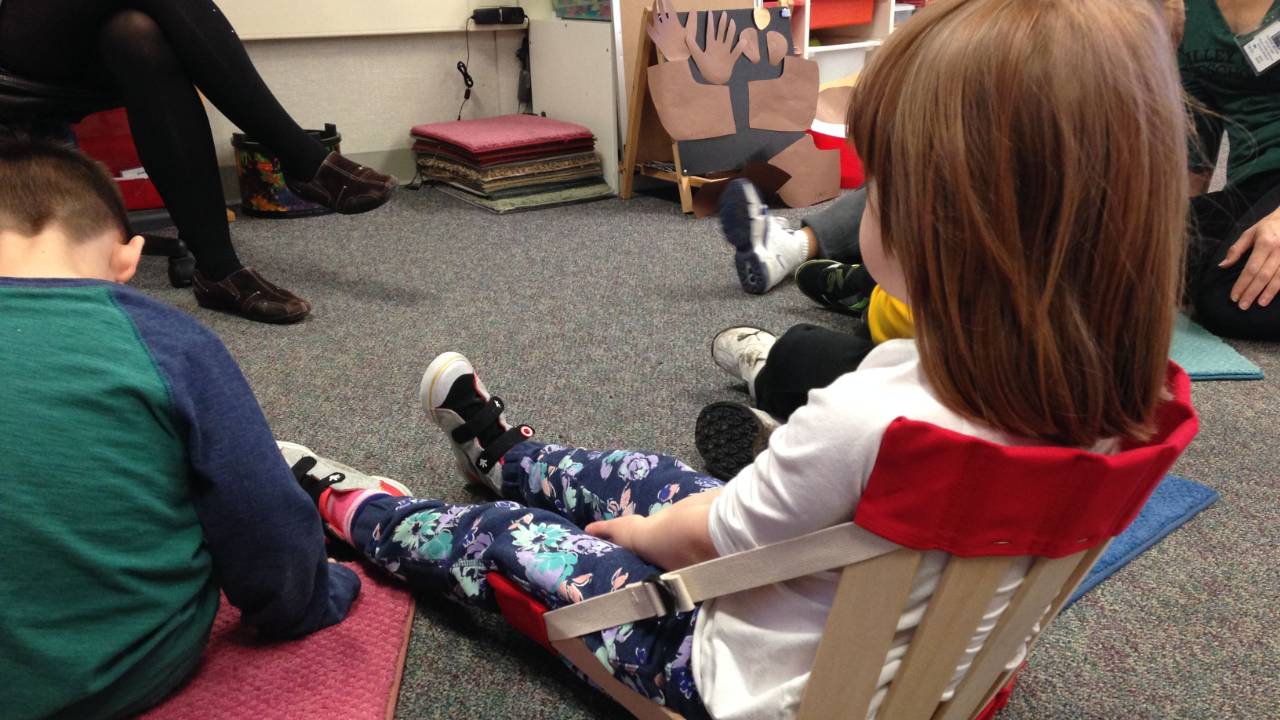
Sep 08, 2026When a child has difficulty participating, adults often begin adding individual supports. A special chair appears. A sensory tool is handed to one child. A child is directed to a calm-down area while everyone else remains with the group. These strategies may sometimes be helpful, but they can also draw attention to a child who is already having a hard time. Regulation supports do not always need to be reserved for one child. Many of the most effective strategies can be built into the classroom in ways that feel natural, welcoming, and useful for everyone.
Start by looking for supports that can become part of the regular routine. Instead of sending one child to do heavy work, invite the class to help push in chairs, carry books, move baskets, or complete a short movement activity before sitting. Rather than giving one child repeated reminders about what comes next, use a visual schedule, transition song, object cue, or consistent phrase for the whole group. Universal supports reduce the number of times a child needs to be corrected or removed because the environment is already helping children understand what to do.
Choice can also support regulation without placing a spotlight on one child. During group time, children might choose to sit on the carpet, use a small cushion, stand at the back, or hold a quiet object. At the table, children could choose between two tools, work at a vertical surface, or complete an activity in shorter parts. The goal is not to offer unlimited choices. A few thoughtfully selected options can give children a sense of control while still keeping the activity manageable for the teacher.
It can also help to create regulation opportunities that look like classroom participation. A child who needs movement can deliver a message, collect name cards, carry a supply bin, wipe a table, or push a basket across the room. A child who needs less noise might work in a quieter area that is available to anyone. A child who benefits from extra time can begin a transition before the rest of the group without the change being presented as a consequence. These supports allow children to meet their needs while remaining connected to the classroom community.
Inclusive regulation support does not mean every child must use the same strategy. It means the classroom offers multiple ways to participate without making support feel unusual or negative. When movement, visual cues, flexible positioning, meaningful jobs, and quiet spaces are part of the everyday environment, children are less likely to feel singled out. Teachers also spend less time responding after children become overwhelmed because support is already woven into the day.
Join the Community!
Receive tips, resources, and activities to support the young children in your life!
Author

